
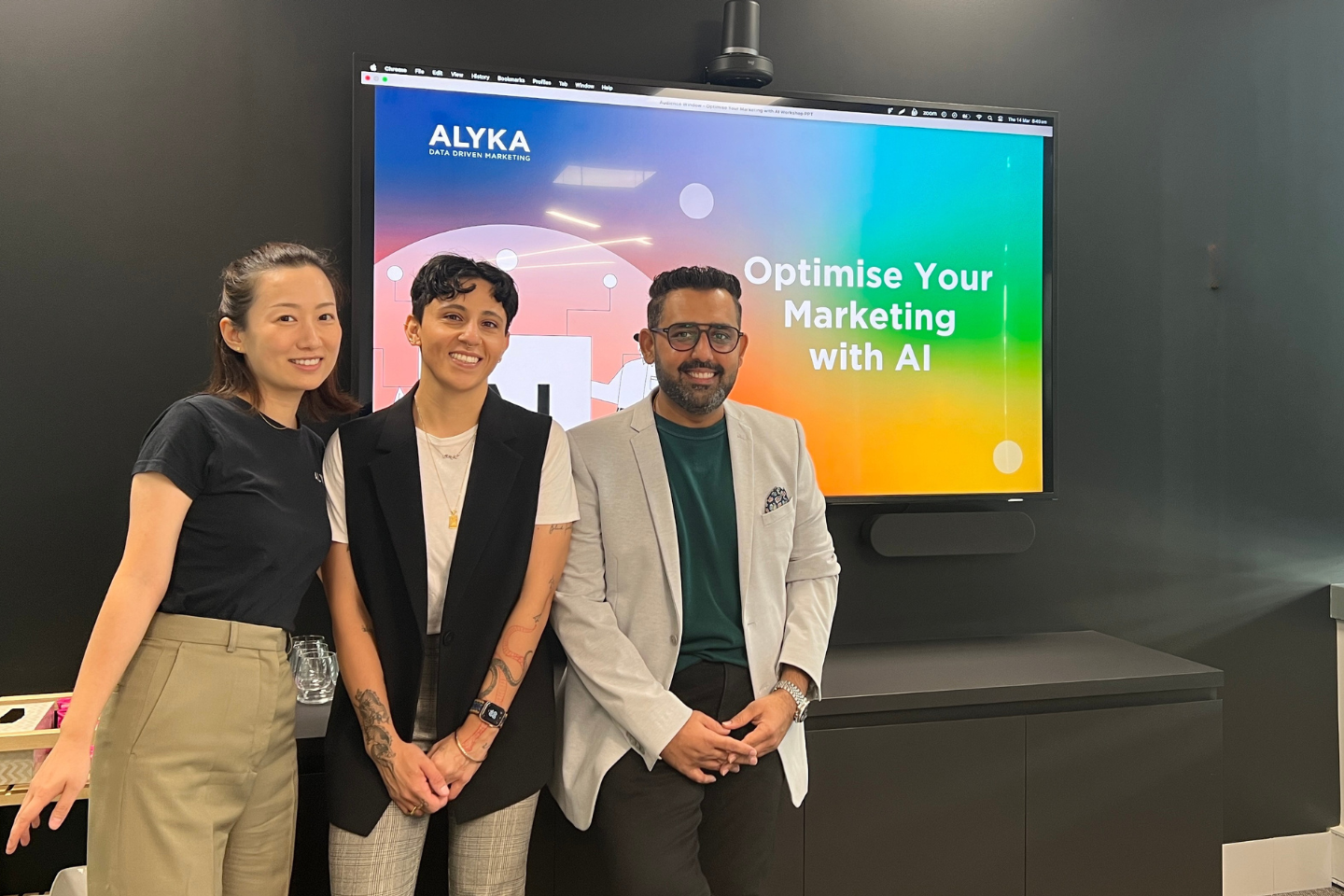
Optimise your marketing with AI
Marketing and communications teams are under constant pressure. You’re expected to deliver more content, maintain digital performance, and meet accessibility and governance standards, often without the time, budget, or specialist support you’d ideally have.
AI won’t solve all of your problems, but when used strategically, it can help teams increase efficiency, reduce friction, extend capabilities, and ultimately assist you in ticking more off your task list, without compromising quality.
Here’s how AI can support your work across digital marketing, content, and creativity, with real-world relevance for public-sector teams.
Digital marketing: from SEO to Generative Engine Optimisation (GEO)
Search is becoming more complex. AI has long been embedded in search engines through systems like Google’s RankBrain and BERT, which prioritise intent, context, and content quality over simple keyword matching.
For time-poor teams, especially those without dedicated SEO specialists, AI can significantly reduce the manual effort involved in:
- Keyword research and clustering
- Identifying content gaps and search intent
- Improving metadata at scale
AI tools can help generate keyword themes, draft SEO-friendly titles and meta descriptions, and assess whether existing pages align with user intent. This is particularly useful when SEO is one of many responsibilities, rather than a core role.
Alongside traditional SEO, marketing professionals need to consider Generative Engine Optimisation (GEO). This focuses on optimising content so it can be accurately understood, summarised, and surfaced by generative AI tools (such as AI-powered search results and assistants).
For Local Government and not-for-profits, GEO reinforces best practice you’re likely already aiming for:
- Clear, structured content
- Plain language explanations
- Strong headings and logical information hierarchy
- Content that demonstrates expertise, authority, and trust
AI can assist by reviewing content for clarity, identifying gaps, and helping restructure pages. Human judgement remains essential, particularly for accuracy, compliance, and public trust.
Content: working smarter, not from scratch
Most marketing and comms teams don’t struggle with ideas when it comes to content, they struggle with time. AI is most effective when it removes the need to start from a blank page.
Common, high-value uses of AI for content and communications teams include:
- Researching and summarising complex or technical topics
- Creating outlines, structures, and templates
- Reworking content for different audiences or channels
- Improving clarity, tone, and accessibility
- Repurposing content efficiently
For example, AI can help turn a long policy update into:
- A web-friendly summary
- A community-facing explainer
- Social or newsletter content
It’s also useful as a final quality check, helping clean up drafts, reduce repetition, and make content clearer, especially when governance, accessibility, or plain English standards apply.
That said, AI still needs strong editorial oversight. It can miss nuance, over-simplify important topics, or get local context wrong. The most effective teams use it as a support tool, not to replace a human.
Creativity and design: support for non-designers
Marketing and comms teams are often expected to do design work too, especially when budgets don’t allow for a dedicated designer and turnaround times are tight. In this context, AI-powered design tools are becoming genuinely useful.
Modern AI tools can help you explore ideas by:
- Trying out different design concepts
- Generating layout, image, and colour options
- Creating on-brand variations more efficiently
Canva’s Magic Studio offers a suite of AI tools designed to automate, enhance, and speed up the creative process using AI. For example, Magic Media generates images from text descriptions, Magic Edit replaces elements in an image by describing the change, and Magic Design generates fully designed, editable templates from a prompt or by uploading a media file.
However, creative judgement still matters. AI doesn’t understand emotional context, accessibility needs, or community sensitivities. Design decisions should always consider:
- Brand and tone of voice
- Accessibility and inclusivity
- Emotional resonance and clarity
Used well, AI frees up time for thinking, refining, and reviewing, rather than replacing creative decision-making.
Using AI responsibly and effectively
For Local Government and not-for-profit teams, AI is about working more efficiently with limited time, budgets and resources.
When paired with professional expertise, governance awareness, and human insight, AI becomes a practical tool to help teams deliver clearer, more consistent, and more accessible communications, all whilst working to tight budgets and deadlines.
If you’re exploring how AI could support your marketing and communications, our team can help. We work with Local Government and not-for-profits to apply AI in practical, responsible ways that align with governance requirements, accessibility standards, and brand compliance. Reach out if you’d like help.